
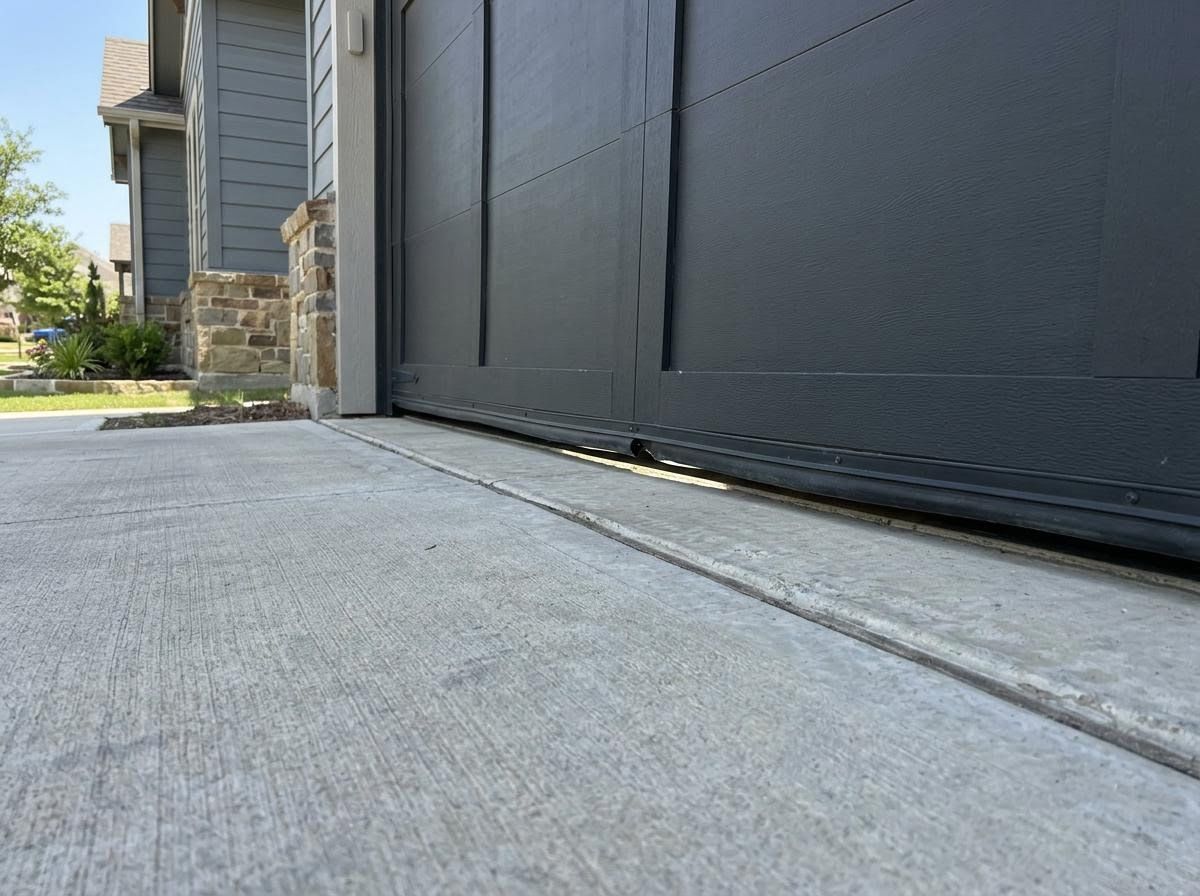
Ever noticed an unwelcome gap appearing under your garage door? It’s a common issue that can lead to more than just an aesthetic annoyance, affecting everything from your home's energy efficiency to its security. Understanding why these gaps form is the first step toward a lasting solution that protects your home and belongings. At Texas Garage Door Magic, we often encounter this concern, and we're here to shed some light on the subject. Addressing these seemingly small imperfections can make a significant difference to your daily comfort and long-term peace of mind.
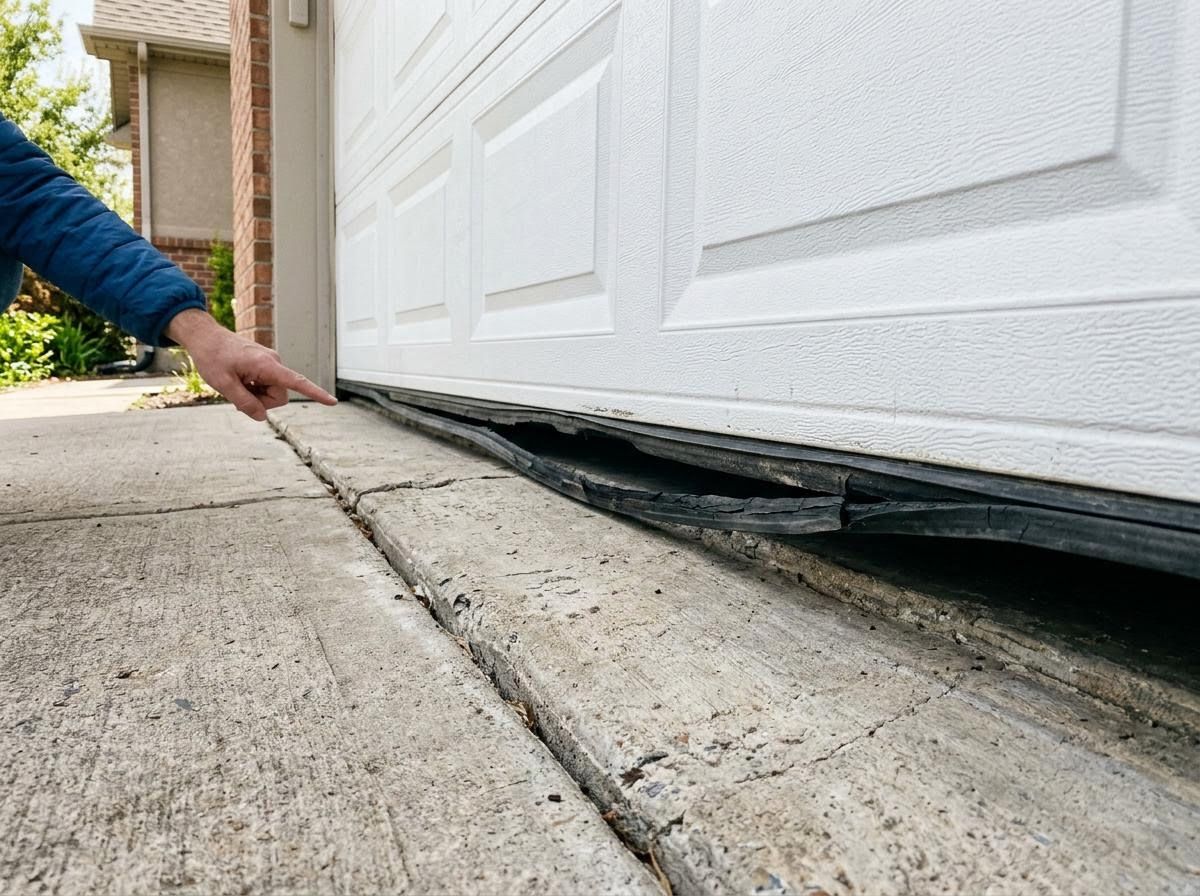
Common Reasons for Gaps Under Your Garage Door
Several factors can contribute to a noticeable space beneath your garage door. One frequent cause is an uneven concrete foundation, which can settle or shift over time due to various environmental factors. This natural ground movement can create an irregular surface, preventing the door from sitting flush. Another common culprit is a worn-out or damaged bottom seal, also known as weather stripping. This flexible rubber or vinyl strip is designed to create a tight seal when the door closes. Over years of use, exposure to the elements, and friction, this seal can become brittle, torn, or flattened, losing its effectiveness. Lastly, issues with the garage door's tracks or springs can cause the door to hang improperly, leading to an inconsistent closing and an unwanted gap.
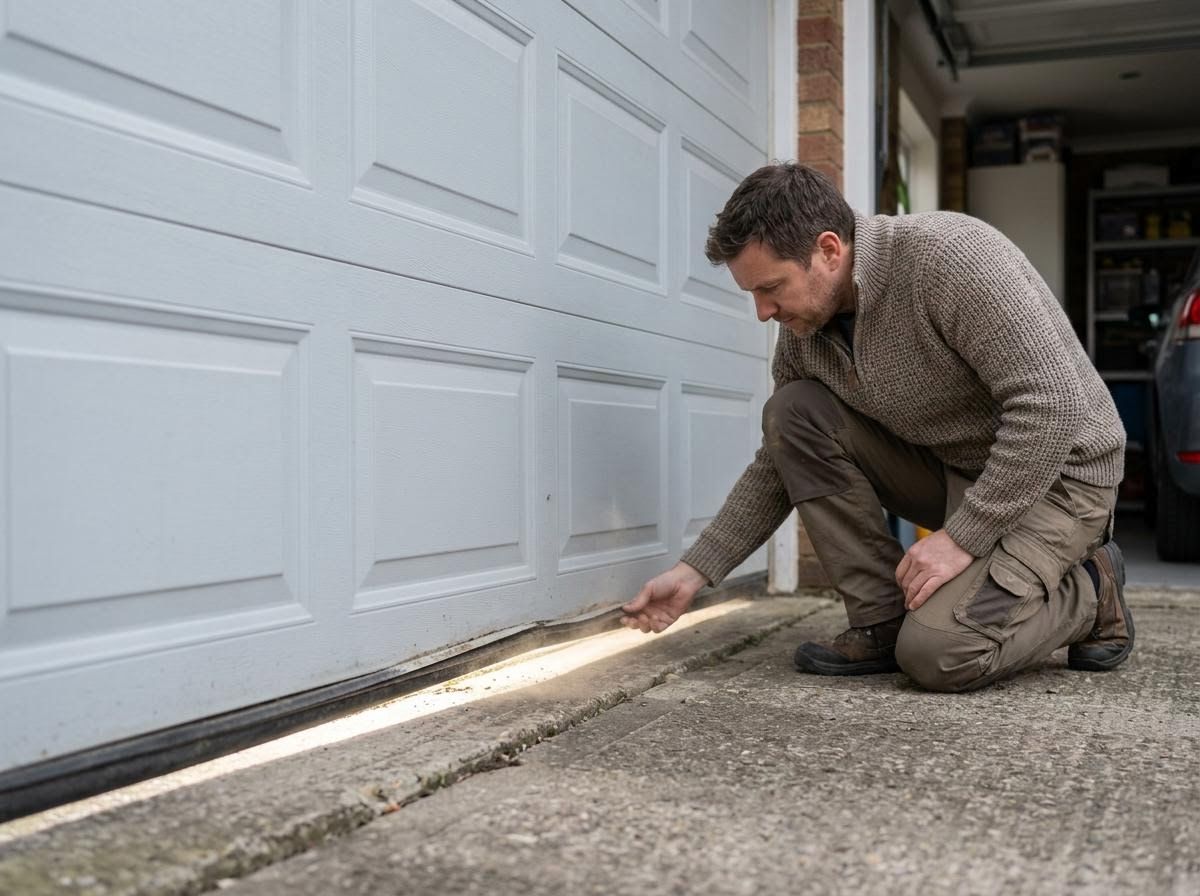
The Consequences of an Unsealed Garage Door
A gap under your garage door might seem like a minor problem, but it can lead to several significant issues for your home. Firstly, it compromises your home's energy efficiency. Warm air can escape in winter, and cool air can seep out in summer, forcing your HVAC system to work harder and increasing your energy bills. Secondly, these gaps are an open invitation to pests, including insects, rodents, and even snakes, seeking shelter or food. They can easily slip through small openings and make their way into your garage and potentially your home. Finally, and perhaps most importantly, an unsealed garage door poses a security risk. A gap can be exploited by intruders to gain access or to tamper with the locking mechanism, making your home vulnerable. This is especially critical for residential garage doors which are often the largest entry point to a home.
Addressing Gaps and When to Seek Professional Help
When you first notice a gap, there are a few simple garage door troubleshooting steps you can take. Check the bottom seal for any visible damage, tears, or hardening. Replacing a worn bottom seal is often a straightforward DIY project. You can also inspect the tracks to ensure they are clean and free of debris, as obstructions can prevent the door from closing properly. However, if the issue persists or if you suspect it's due to an uneven foundation, misaligned tracks, or a problem with the springs or cables, it's crucial to call experienced professionals. These components are under high tension and can be dangerous to adjust without proper training and tools. For comprehensive DFW garage door services, an expert can accurately diagnose the root cause and ensure a safe and lasting repair.
Addressing a gap under your garage door promptly is essential for maintaining your home's energy efficiency, security, and cleanliness. While some minor issues can be easily fixed, more complex problems require the skill and experience of a professional. If you're noticing a gap under your residential garage doors and suspect a more complex issue, don't hesitate to reach out to our experts.