
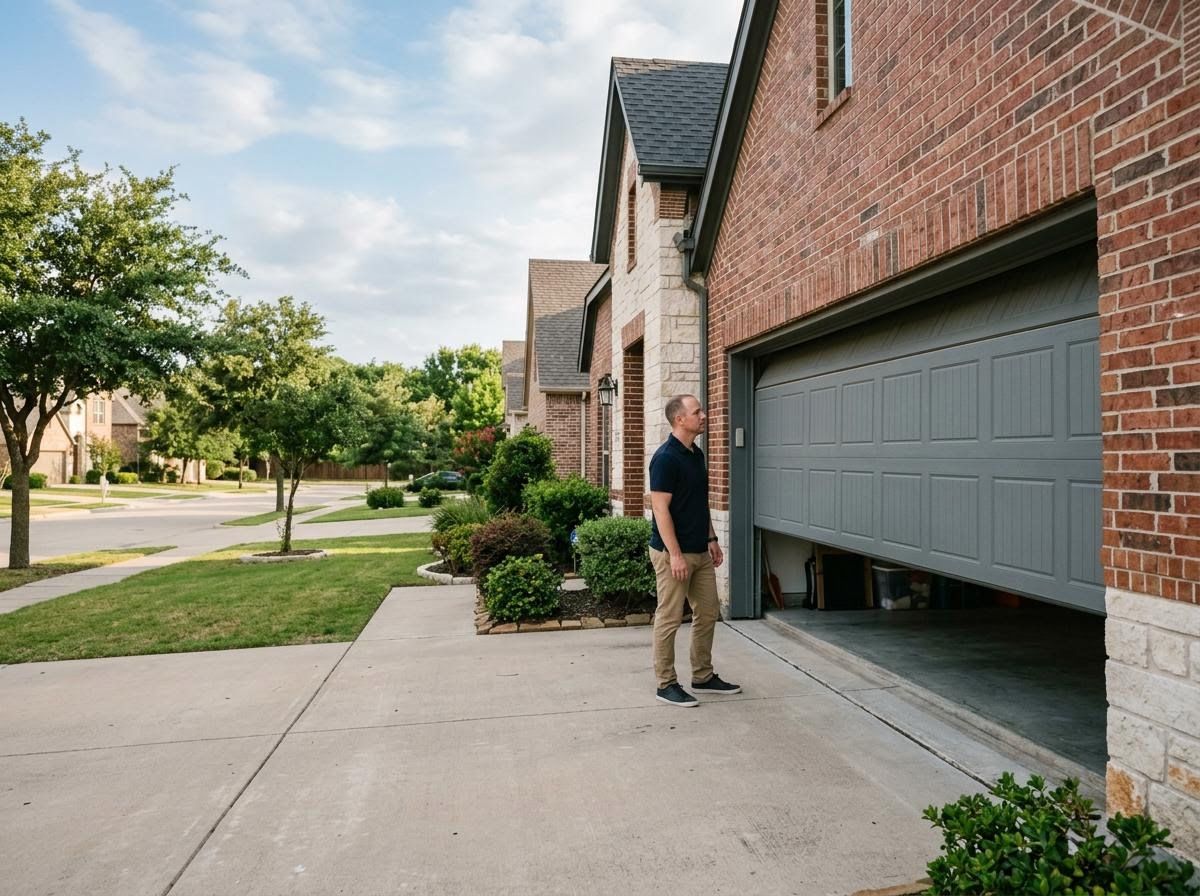
Few home inconveniences are as perplexing and disruptive as a garage door that dutifully closes, only to immediately spring back open. This common issue can throw off your daily routine and raise concerns about your home's security and the safety of your family. Understanding the underlying reasons for this behavior is key to resolving it efficiently. At Texas Garage Door Magic, we recognize these frustrations and are dedicated to helping homeowners across the DFW metroplex diagnose and fix their residential garage doors with expertise and care.
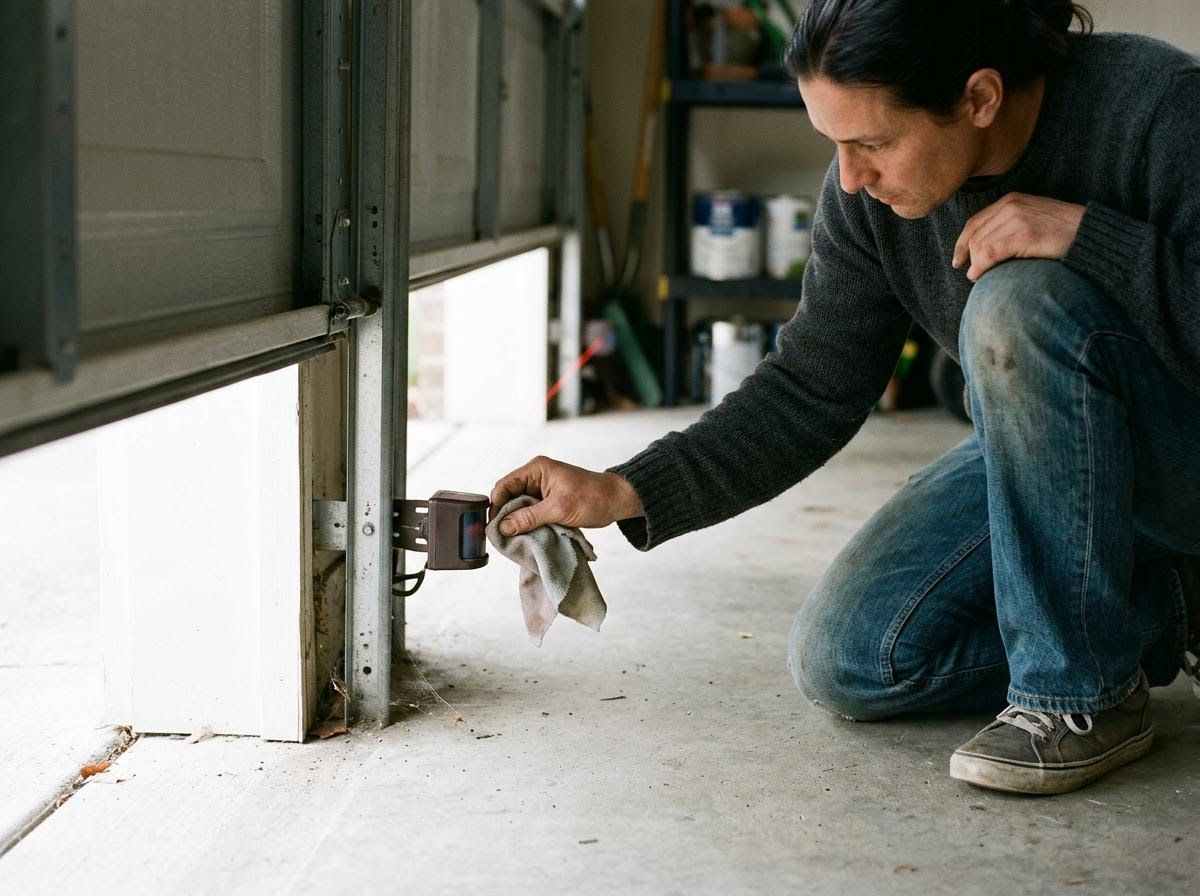
Safety Sensors: The Eyes of Your Garage Door
One of the most frequent culprits behind a reversing garage door involves the safety sensors. These critical components are small, electronic "eyes" positioned a few inches off the ground on either side of your garage door opening. Their primary purpose is to detect any obstruction in the door's path as it closes, instantly reversing the door to prevent accidents or damage. If these sensors become misaligned, dirty, or have their beam interrupted by even a small object—such as a leaf, cobweb, or even direct sunlight—the opener interprets this as an obstruction. As a safety measure, it immediately reverses the door. A simple check to ensure these sensors are clean, properly aligned, and have a clear line of sight is often the first step in garage door troubleshooting for this particular problem.
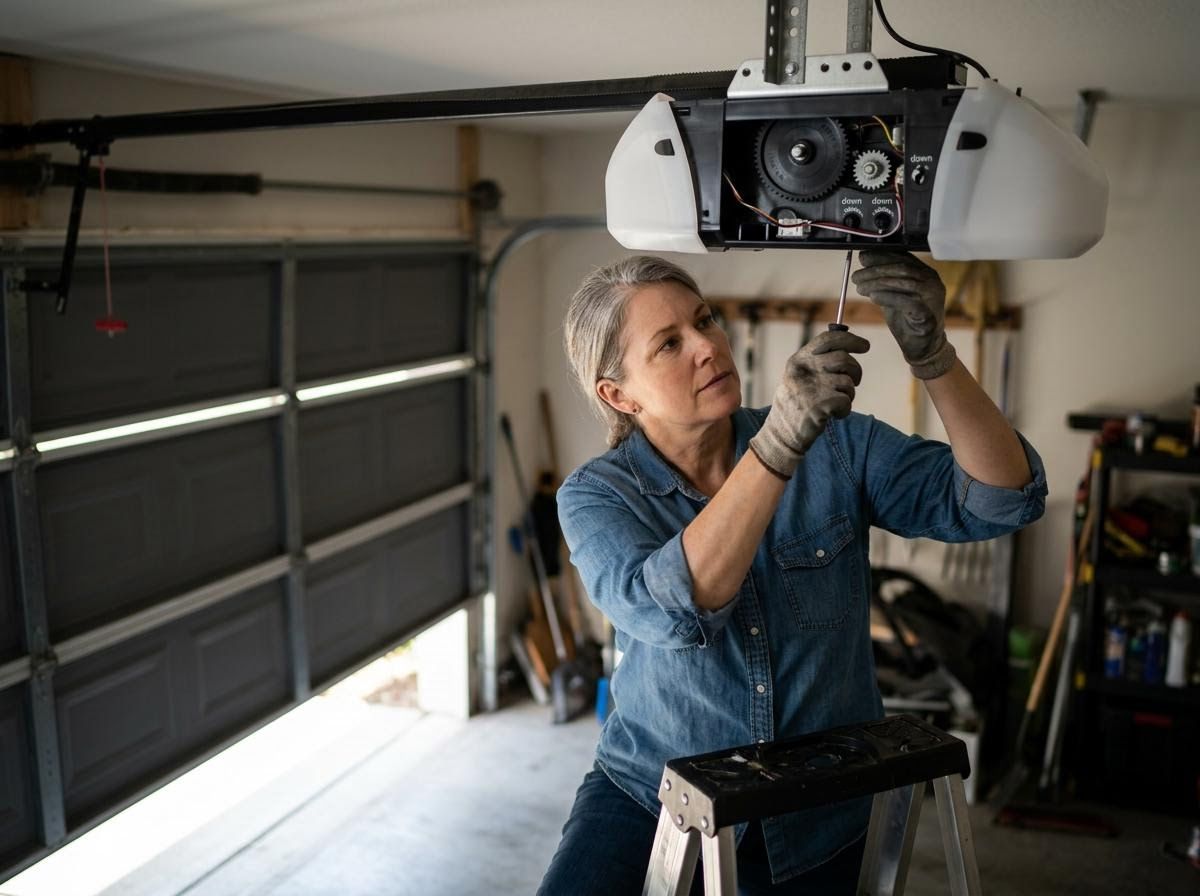
Understanding Limit Settings and Door Travel
Another common reason your garage door might close then reopen is related to the opener's "limit settings." These settings are programmed into your garage door opener to tell it exactly how far to open and, more importantly, how far to close. If the "down" limit is set too far, the door might encounter resistance or hit the ground prematurely before the opener believes it has reached its fully closed position. When the opener senses this unexpected resistance or "bottoming out" before its programmed stop, its safety mechanism kicks in, causing the door to reverse as if it's hit an obstruction. Adjusting these limit settings properly ensures the door stops exactly where it should, preventing unnecessary reversals and ensuring the door completely seals the opening without strain.
Force Settings and Potential Obstructions
Beyond sensors and limit settings, the "force settings" on your garage door opener play a vital role in preventing your door from reversing unexpectedly. These settings determine how much power the opener uses to move the door up and down. If the closing force is set too low, the door might interpret even slight resistance—from aged weather stripping, a minor imbalance in the garage door springs, or even an accumulation of dirt in the tracks—as a significant obstruction. This triggers the safety reverse feature, sending the door back up. Additionally, worn-out or improperly balanced garage door springs can make the door unusually heavy, forcing the opener to work harder and potentially leading to a reversal. Proper calibration of these force settings and ensuring the door is well-maintained are essential aspects of garage door maintenance to prevent unnecessary strain and ensure smooth, consistent operation.
Experiencing a garage door that reverses immediately after closing can be a head-scratcher, but understanding the common causes—from misaligned safety sensors to incorrect limit and force settings—can provide clarity. While some minor adjustments can be performed by a homeowner, complex issues or continuous problems often require professional attention to ensure both safe and reliable operation of your garage. For expert garage door repair, thorough garage door maintenance, and dependable DFW garage door services, Texas Garage Door Magic is always ready to provide the professional and customer-focused assistance you need to restore your door's functionality. Contact Garage Door Magic in Fort Worth today!